
Holistic nursing is an approach that addresses the needs, concerns, and goals of the whole patient, including their physical, emotional, social, spiritual, and cultural needs and values. Holistic care in nursing can improve patient outcomes while encouraging greater patient participation in the healthcare process.v
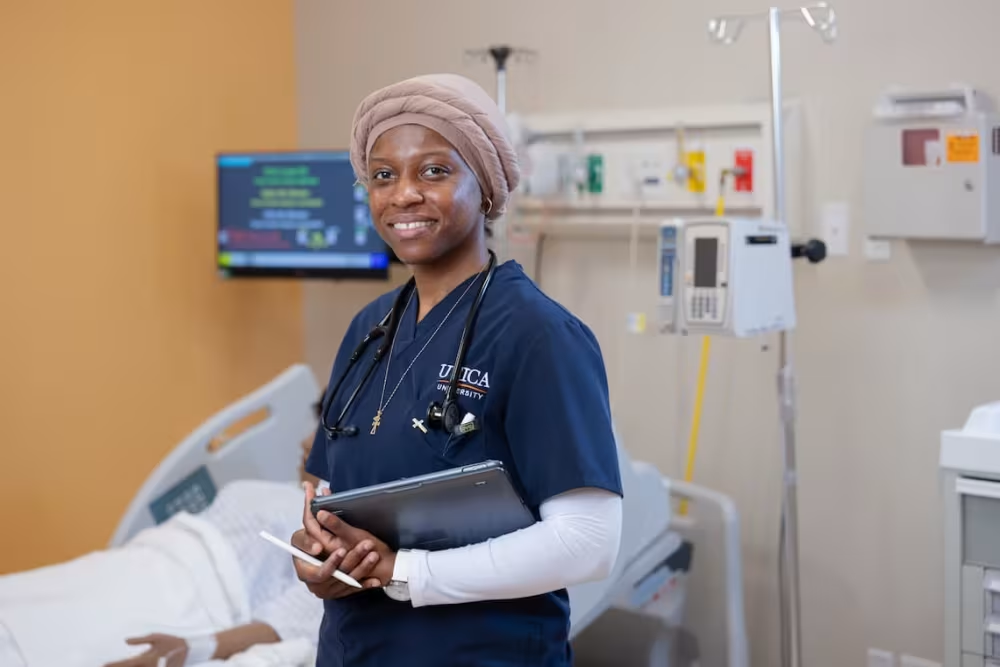
Holistic nursing is a whole-person approach that considers the patient’s physical, emotional, mental, social, and spiritual needs, as well as their preferences and need for community or similar support resources. Rather than treating only symptoms, holistic care in nursing focuses on empowering patients to achieve better overall wellness.
At Utica University, you can study the delivery of holistic, individualized care across the lifespan. Utica’s Accelerated Bachelor of Science in Nursing (ABSN) and Advanced Standing B.S. in Nursing programs offer a comprehensive nursing education in as few as 16 months. Both are faster pathways for career changers and transfer students who aspire to nursing excellence.
While you’re considering switching to nursing, take a closer look at questions such as "What is holistic care?” and “Why does holistic nursing matter?” Learn about the core principles of holistic care and discover how you can prepare for a career as a holistic nurse.
What Is Holistic Care?
It’s helpful to understand holistic care by what it isn’t. Holistic care doesn’t limit itself to symptom management or addressing only the condition the patient is being treated for. Rather, it considers the totality of the patient’s wellness, including their physical, psychological, spiritual, and social needs and concerns. It takes into account the patient’s access to care and related resources, such as whether they have caregivers available at home.
Holistic nursing acknowledges the paramount importance of informed consent in healthcare. Patients have the right to direct their own healthcare by making their own decisions after being fully informed about their condition, treatment options, and potential side effects and complications.
Aligned with this is the role of the patient’s values. Holistic care respects each patient’s cultural practices, personal beliefs, values, and preferences. According to the American Holistic Nurses Association (AHNA), the goal of holistic nursing is to “nurture wholeness, peace, and healing.”

Discover how diversity in nursing benefits the healthcare ecosystem.
Why Holistic Nursing Matters in Modern Healthcare
By treating the whole patient, holistic care in nursing can ensure all their needs are met and their wishes are prioritized. This not only improves the patient experience but can also boost treatment adherence. Holistic care provides:
- A renewed focus on health promotion and disease prevention
- Better health outcomes
- Improved patient education
- Personalized patient care plans
- Treatment options that align with personal beliefs and cultural practices
Additionally, holistic care can improve a patient’s total quality of life and empower them to adopt self-care practices. A holistic nurse forms a partnership with patients, working collaboratively to improve their wellness.
Another reason holistic nursing is essential in modern healthcare is that it meets patients where they are. For example, if a patient has poor health literacy, a holistic nurse can adjust the language used for patient education. Explaining terms in simple language can help patients feel less overwhelmed by their diagnosis and empowered to make informed decisions.
The Core Principles of Holistic Nursing
Holistic nursing embraces a number of core values, including:
- Conducting a whole-person assessment to fully understand the patient’s needs, concerns, and preferences.
- Encouraging a collaborative partnership between provider and patient to determine goals.
- Personalizing the patient’s nursing care plan to align with their needs and preferences.
- Rooting all nursing practices in evidence-based care.
Additionally, holistic nursing encourages nurses to practice self-care to maintain their own wellness.
How Holistic Nurses Create Personalized Care Plans
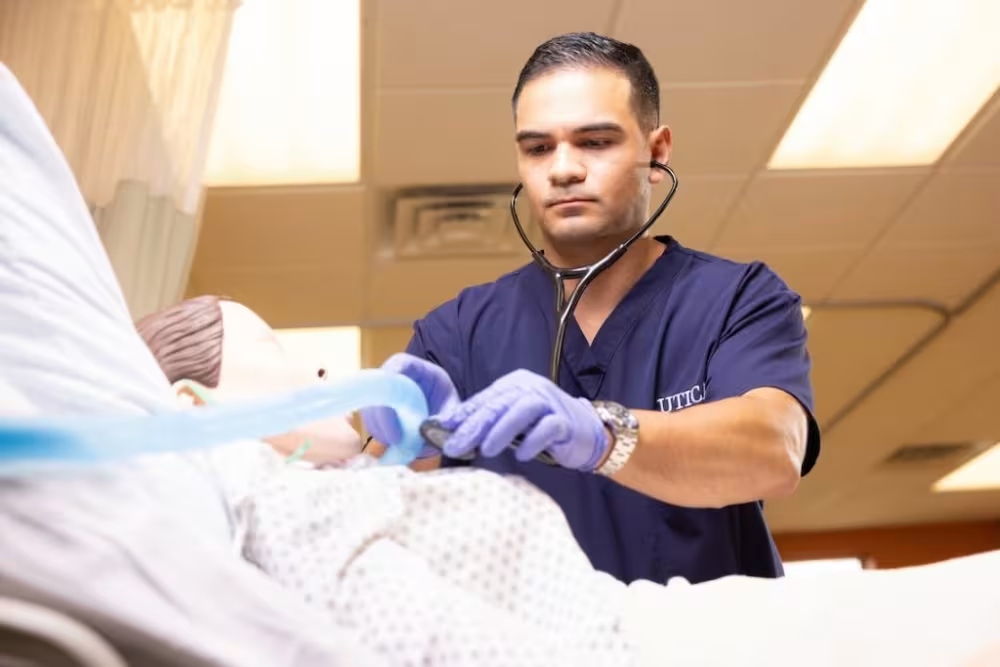
Before creating a personalized care plan, the holistic nurse conducts a whole-person assessment. A holistic assessment includes all the steps of a traditional nursing assessment, such as reviewing medical history, but it goes further.
Holistic nurses talk with patients about environmental factors that may influence their health, social support (or lack thereof), personal wellness goals, and psychological needs. The assessment may include a review of the patient’s resources and the resources they need to achieve health goals. It also covers the patient’s personal beliefs and cultural practices.
As part of the assessment, the holistic nurse identifies a patient’s needs. Then, the nurse and patient collaboratively identify goals and discuss treatment options for meeting them. Holistic nursing includes standard treatment options as well as complementary therapies, such as nutrition and stress management techniques.
Evidence-Based Complementary Approaches in Holistic Nursing
Holistic care in nursing encompasses a wide range of complementary therapies that can help meet patients’ needs. Some examples include:
- Acupressure
- Aromatherapy
- Art and music therapy
- Deep breathing or breathwork
- Guided imagery
- Massage therapy
- Meditation
- Mindfulness
- Supplements
- Tai chi
- Yoga
Where Holistic Nursing Is Practiced
Holistic nurses can work in all types of healthcare settings, from large teaching hospitals and universities to small community clinics. They may work in all hospital departments, rehabilitative centers, mental health treatment facilities, and outpatient clinics. Holistic nurses can also work in surgery centers and birthing centers.
Holistic nursing is a flexible approach to nursing care because it’s applicable across practice areas, settings, and patients.

Get tips on how to study for the NCLEX-RN effectively.
Skills Needed to Become an Effective Holistic Nurse
A holistic nursing professional needs all of the clinical skills required for their nursing specialty, such as patient assessment, triage, medication administration, and IV management. To provide holistic care in nursing effectively, it’s also helpful to have the following skills and traits:
- Active listening
- Critical thinking
- Cultural competence
- Emotional intelligence
- Empathy and compassion
- Patient advocacy
- Problem-solving skills
- Whole-person assessment
Additionally, holistic nurses should understand the available community resources. For example, if a cancer patient is having trouble getting to appointments, their RN may refer them to community programs that can help.
Many holistic nurses also research evidence-based integrative practices, such as meditation, breathwork, acupressure, yoga, and art or music therapy. They may develop deep knowledge of nutrition, supplements, and alternative pain management methods to better meet their patients’ needs.
Preparing for a Career in Holistic Nursing
You can start preparing for a career in holistic nursing by applying to the ABSN or Advanced Standing program at Utica University. Leverage your prior non-nursing education toward earning a B.S. in Nursing in as few as 16 months. It’s the first step in becoming a holistic nurse.
After graduation, you’ll need to pass the NCLEX-RN, the licensure exam necessary to become a practicing RN. To maintain your license, you may need to complete continuing education units (CEUs). Consider CEUs focused on holistic care in nursing. You may also want to join professional nursing organizations such as the AHNA.
Certification is another way to embrace a career in holistic nursing. The American Holistic Nurses Credentialing Corporation (AHNCC) offers a professional certification for holistic nurses.
Earn Your Nursing Degree Faster at Utica University
Utica University offers a faster transition into nursing for career changers and transfer students. If you have a completed non-nursing degree or at least 65 credits, you may be eligible to earn your B.S. in Nursing in as few as 16 months with our ABSN or Advanced Standing program.
While here, you can work with Academic Success Coaches to keep your progress on track, and you’ll benefit from individualized attention as you prepare for the NCLEX-RN licensure exam.
Request information to get started today.
